
Edsidera Admin
•Sep 9, 2026
Beyond the Classroom: Why Real-World Skills Deserve a Place in Every Child’s Education
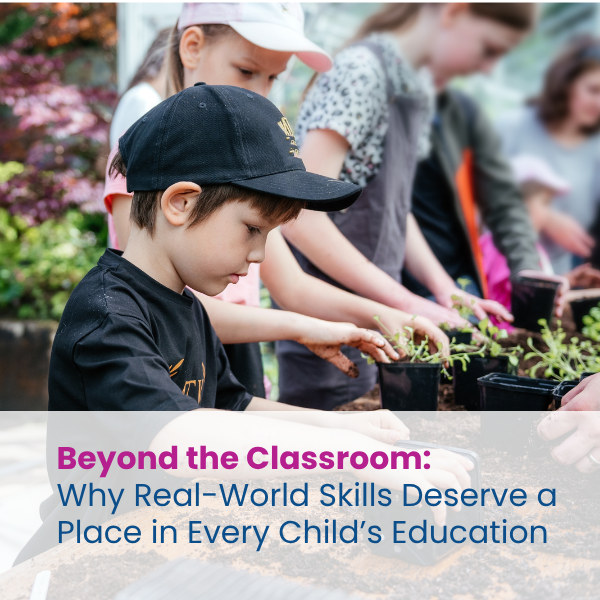
Beyond the Classroom: Why Real-World Skills Deserve a Place in Every Child’s Education
Academic learning will always sit at the heart of education. But some of the skills children will rely on most throughout their lives are developed beyond traditional lessons.
Knowing how to communicate confidently.
Taking responsibility.
Solving a problem independently.
Making thoughtful choices.
Understanding money.
Looking after yourself and others.
Thinking about your impact on the environment.
Turning an idea into something real.
These are not simply “nice to have” skills. They are part of preparing children for the world beyond the classroom.
Learning that connects with real life
Children are constantly developing skills through everyday experiences, both in and outside school. 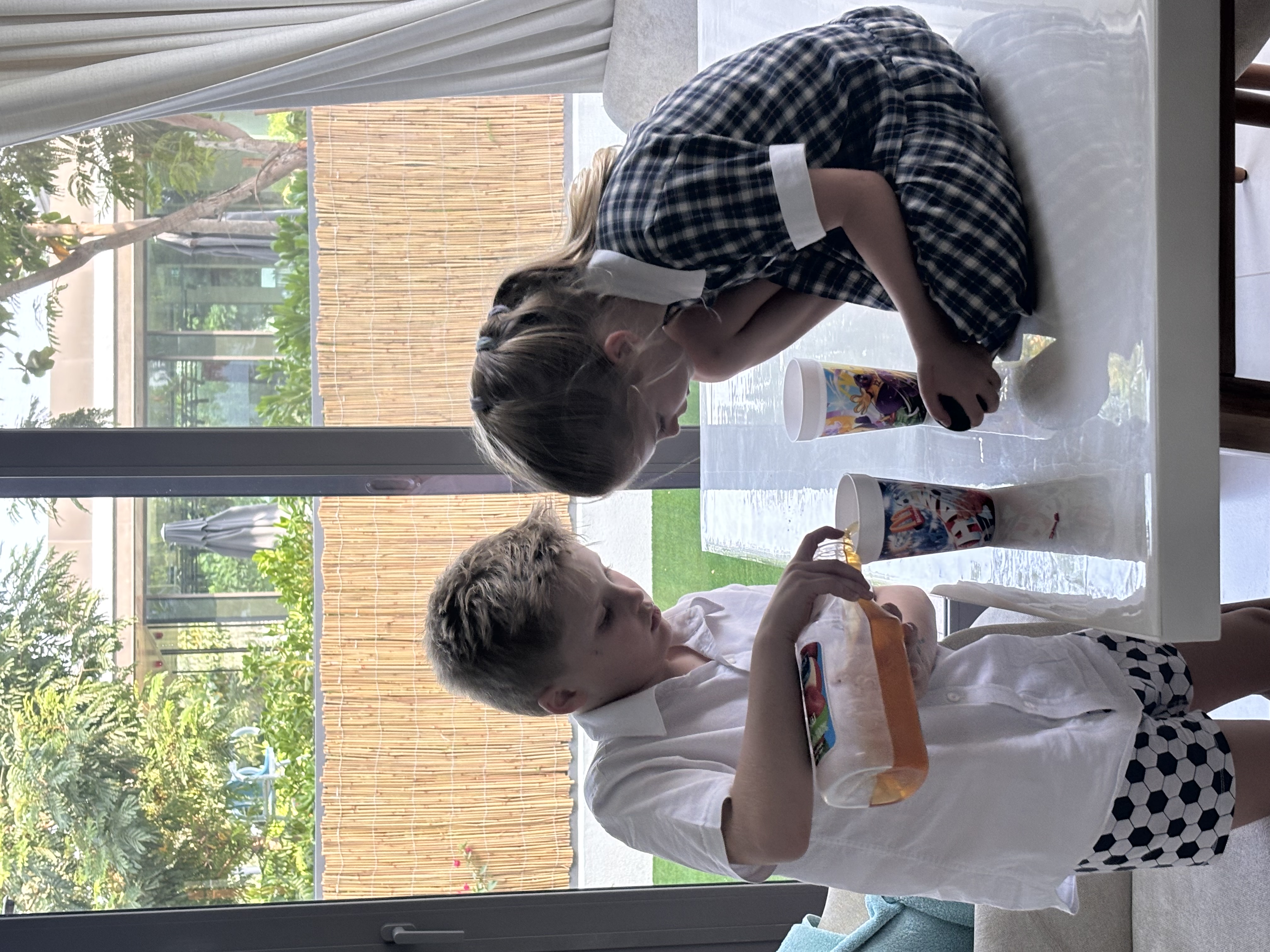 The challenge for educators is making those opportunities intentional.
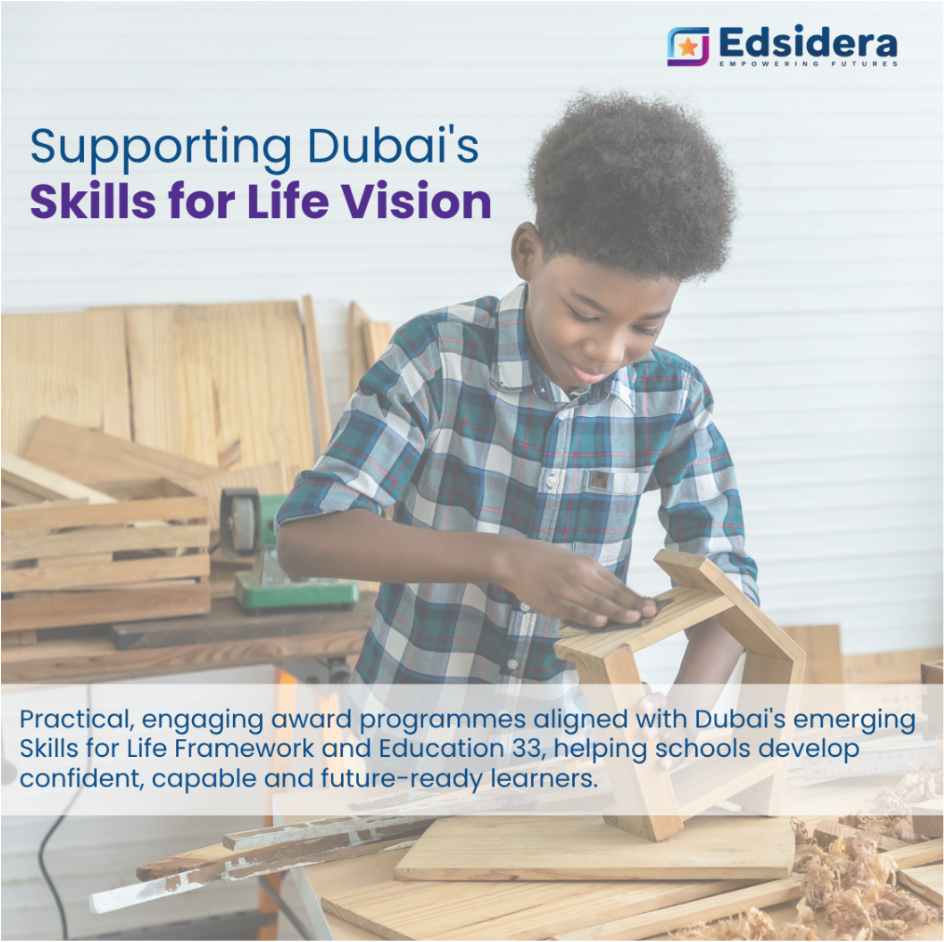
Real-world learning gives children the opportunity to take what they know and actually do something with it.
A sustainability activity might encourage a child to think differently about energy use. An entrepreneurship challenge could take them from having an idea to considering how they might bring it to life. A practical task at home might build independence and responsibility. A community challenge could encourage empathy, kindness and a greater awareness of the people around them.
Each experience may seem small on its own, but together they contribute to something much bigger.
Real-world learning is about giving children opportunities to turn knowledge into action.
Giving personal development structure
Schools and nurseries already do an enormous amount to support children's wider development.
But personal development can happen across so many different areas that it isn't always easy to bring those experiences together into one clear journey.
A structured approach can help children understand what they are developing, encourage them to try things they may not otherwise experience and give educators greater visibility of their progress.
It also creates opportunities for reflection.
Rather than simply completing an activity, children can begin to recognise the skills behind it.
What did I learn?
What did I find difficult?
What did I do independently?
What would I do differently next time?
That shift from simply doing to understanding what I am learning through doing is incredibly valuable.
Skills for now, not just for the future
We often talk about life skills as preparation for adulthood, but their value begins much earlier.
For a young child, independence might mean learning to organise their belongings, help with an everyday task or make a simple choice for themselves.
As children grow, those experiences can become more complex. They might explore financial awareness, entrepreneurship, sustainability, communication, wellbeing, community engagement or practical responsibilities.
The skills develop with them.
Preparing children for the future starts by giving them meaningful responsibility today.
Where Edsidera fits
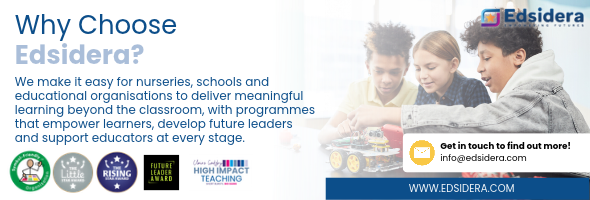
At Edsidera, we believe meaningful learning should extend beyond the classroom.
Our Award programmes provide children with structured, age-appropriate challenges designed to develop practical skills, independence, confidence and a greater understanding of the world around them.
Little Star introduces younger children to early independence and personal development through engaging, achievable experiences.
Rising Star takes that journey further, giving children opportunities to explore areas including practical life skills, wellbeing, sustainability, entrepreneurship, communication and community.
For schools across the UAE and GCC, Karam Awards provides another pathway, with experiences designed to connect personal development with values, culture, community and meaningful action.
Schools and nurseries can choose the programme and delivery approach that works for their setting, including digital participation or printed challenge booklets.
Most importantly, the Awards are designed to complement the learning and personal development already happening within a setting, rather than compete with it.
Making achievement visible
Completing the challenge is only one part of the experience.
Children can capture evidence, reflect on what they have achieved and work towards meaningful recognition of their progress.
For educators, this also creates greater visibility of engagement and development across their learners.
It means that wider learning does not have to disappear once an activity is finished. It can become part of a visible journey of experiences, achievements and growth.
And for children, being able to look back and say “I did that” can be incredibly powerful.
When children can see their own progress, personal development becomes something they can recognise and be proud of.
Beyond the classroom. Into everyday life.
Education is not only about what children know.
It is also about how they communicate, how they respond to challenges, how independently they can act, how they contribute to their communities and how confidently they approach something new. Schools and nurseries already play an enormous role in developing these qualities.
The opportunity is to make that learning more intentional, give children more opportunities to practise it and ensure that the achievements happening beyond traditional academics are recognised too.
Because some of the most important lessons children learn will not begin with a textbook. They will begin with the opportunity to have a go.
Ready to bring more real-world learning into your setting?
Discover how Edsidera's Award programmes can support meaningful personal development beyond the classroom.